
Seasonal
Roofing Marketing After a Storm: What to Do in the First 72 Hours
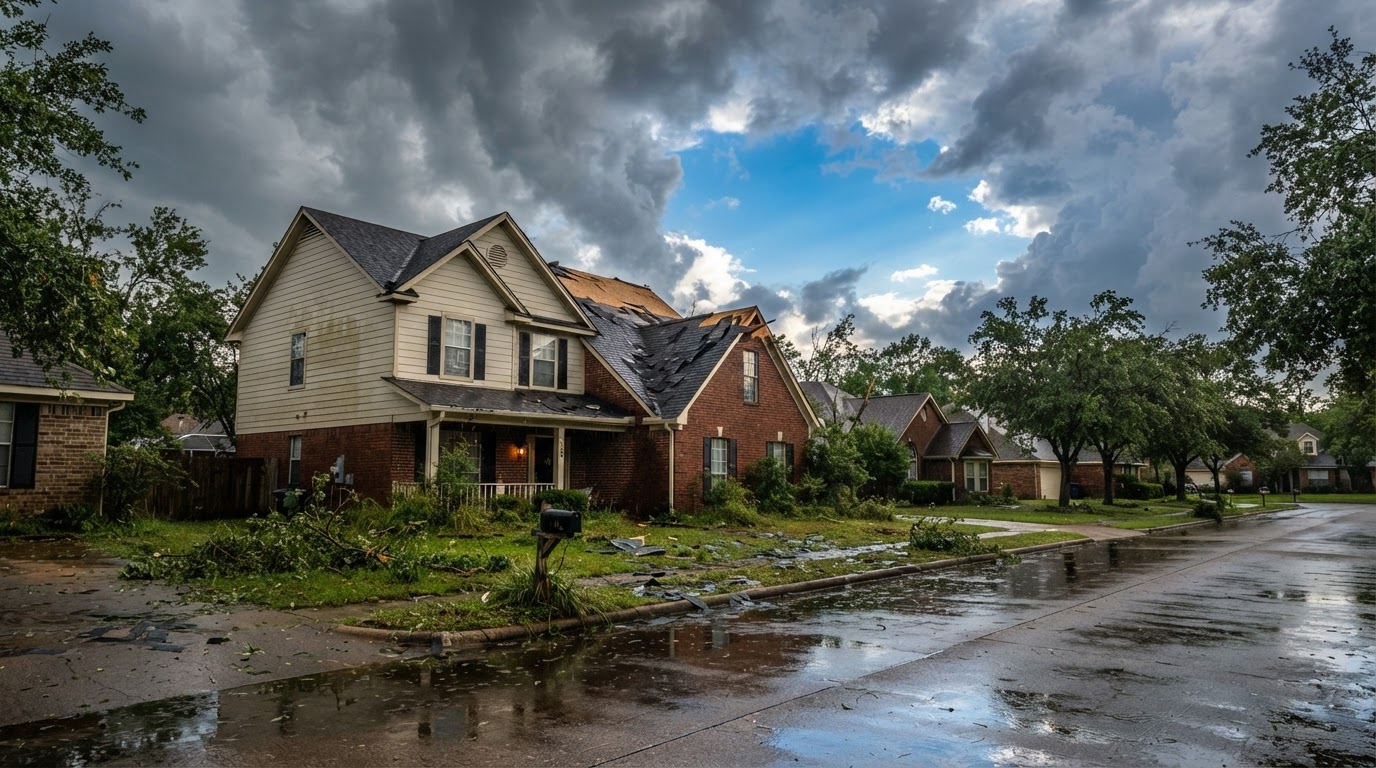
A storm rolls through your area and the phone starts ringing. Hail, wind, fallen branches, water coming in through a damaged roof. Every homeowner with a problem is calling a roofer, and every roofer in town is either on a job or buried in voicemails.
The first 72 hours after a storm are when roofers win or lose a season's worth of work. The contractors who get found, answer every call, and book inspections fast are the ones who fill their schedule. The ones who miss calls and take three days to call back are the ones who watch the jobs go to someone else.
Hour 0 to 24: get found and answer everything
The first 24 hours are the most important. Homeowners are searching for roofers right now, not tomorrow. If your Google Business Profile is up to date, you show up in the map results when they search for a roofer near them. If your website loads fast and has your phone number on every page, they can reach you in one tap.
But none of that matters if you do not answer. When the phone rings fifty times in a day, you are going to miss some. That is just reality. The question is what happens to the ones you miss. If they get a voicemail, most of them hang up and call the next roofer. If they get an automatic text back saying you got their call and will reply shortly, they stay with you.
The first 24 hours are about volume. You need to catch every call, reply to every form, and book every inspection you can. The roofers who do that in the first day are the ones who end up with full schedules by the end of the week. The ones who let calls go to voicemail and call back the next morning are the ones who hear, we already went with someone else.
If you have an inbox that catches every text, form, and missed call reply in one place on your phone, you can keep up with the volume without losing track of anything. You climb off a roof at 6pm, open your phone, and there are eight conversations waiting. You spend twenty minutes replying, and you have booked three more inspections for tomorrow. That is how the first day is supposed to go.
Update your Google Business Profile and website
If a storm just hit, say so on your profile. Post a quick update that you are booking storm damage inspections and that you respond fast. Add photos of recent jobs if you have them. Homeowners scrolling through the map results are looking for a roofer who looks active and responsive.
A profile with recent posts and photos beats one that has not been updated in six months. Your website should do the same thing. If you have a page for storm damage or emergency repairs, make sure it is easy to find. Put your phone number at the top of the page. Make the quote form short. The goal is to get the homeowner from search to contact as fast as possible.
Every extra click between finding you and calling you is a chance for them to go back and call someone else. For a deeper look at how to keep your profile working year round, see our roofing marketing page.
Handling the call surge without missing jobs
When the phone is ringing off the hook, you cannot answer every call. You are on a roof, you are driving to an inspection, you are talking to a homeowner about their estimate. The calls keep coming. Most roofers lose jobs here, not because their work is bad, but because they cannot keep up with the volume.
This is where a system helps. If every missed call gets an automatic text back, the homeowner does not feel ignored. They get a reply in seconds, and the conversation waits in your inbox for when you have a minute. If every quote form gets an instant text confirmation, the lead knows you got it. You do not have to answer every call live. You just have to make sure every caller gets a response, and that no lead falls through the cracks while you are running between jobs.
The roofers who come out of storm season with the most booked jobs are not the ones with the best crews. They are the ones who caught every call, replied to every lead, and followed up on every inspection. The system is what makes that possible when you are too busy to answer the phone yourself.
Following up on inspections
Booking the inspection is only half the job. You also have to follow up. A homeowner who called five roofers is going to get inspections from three of them and hire one. The one who follows up after the inspection, who sends a clear estimate without making them chase you down, is usually the one who wins.
Send the estimate the same day if you can. If you cannot, send a text saying you are working on it and will have it to them tomorrow. Do not make them wait three days and then wonder if you forgot about them. The follow up does not have to be complicated. A text with the estimate attached, or a quick call to walk through what you found, is enough. The point is to stay in the conversation while the homeowner is comparing bids. If you go quiet, they assume you are not interested and they hire the roofer who stayed in touch.
What to do after the rush
After the first 72 hours, the volume starts to slow down. The homeowners who needed emergency repairs have called someone. The ones who are waiting for insurance have started that process. This is when most roofers go quiet, and that is a mistake.
The leads who did not book in the first three days are still out there. They just have not decided yet. A follow up text to every lead you talked to but did not book is worth sending. Some of them are still getting insurance estimates. Some of them are waiting for a check. Some of them just needed a little more time. The roofers who follow up after the rush are the ones who pick up the jobs that the other guys forgot about.
Do not stop marketing when the phone stops ringing. That is when the second wave starts, and it is often where the best jobs are. The homeowners who were not in a panic on day one are the ones who take the time to read your reviews, compare a few bids, and pick the roofer who stayed in touch. For a year round approach, read our post on building a seasonal marketing calendar for contractors.
Storm season is when roofers make their year. The ones who get found fast, answer every call, and follow up on every inspection are the ones who fill their schedule. The Job Machine handles the follow up for you, so no lead goes cold while you are on a roof. If you want to see how it works, we will show you the whole system on a quick call.
See it running on a real account
15 minutes. We show you the system live and tell you straight if it's a fit.
Book a 15-Minute CallFrequently asked questions
How soon should I post about storm damage on my profile?
As soon as the storm hits. Post that you are booking inspections and respond fast. Homeowners are searching right now, and an active profile gets the call.
What if I am already booked out for weeks?
Still answer and reply. Even if you cannot take the job now, a quick response keeps the door open for later. Some homeowners will wait. Others will refer you to a neighbor.
Should I run ads after a storm?
You can, but your Google Business Profile and website usually get the first wave. Focus on being findable and responsive before spending on ads.

Ryan Archibald
Avera Systems
Ryan helps contractors and home service businesses get more calls and booked jobs with websites, reviews, and follow-up built for the trades. He writes about what actually works when you are on the job all day and only have a few minutes to run your marketing.