
Seasonal
HVAC Marketing for the Slow Season: Keep the Schedule Full
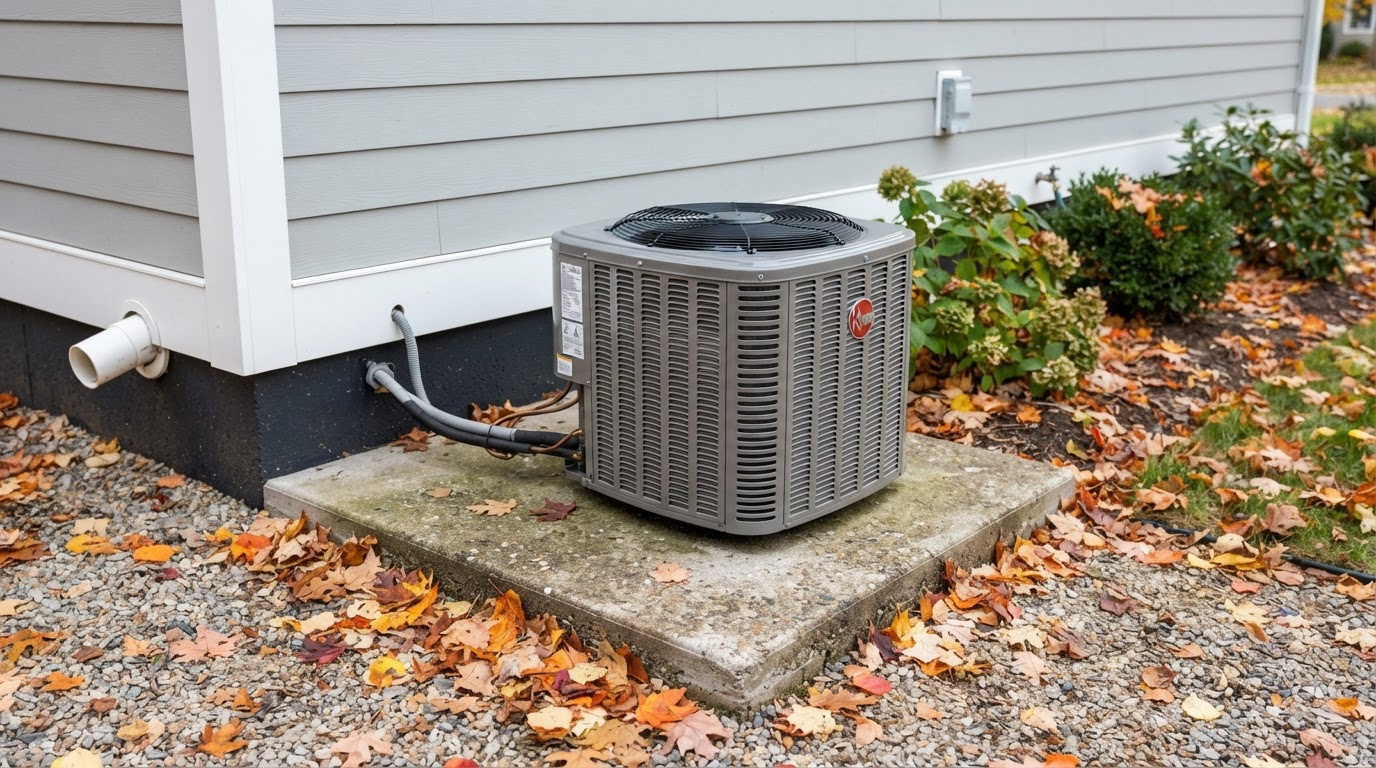
HVAC is a roller coaster. In the first heat wave, the phone rings nonstop. Every AC in town breaks at once, and you are running from house to house until you collapse. Then the weather settles, and the phone goes quiet. Spring and fall are the shoulder seasons, and for a lot of HVAC companies, they are the difference between a good year and a rough one.
The busy season pays the bills. The slow season is where you either grow or coast. The companies that keep the schedule full in spring and fall are the ones that build a real business, not just a seasonal one. For trade specific tips, see our HVAC marketing page.
Why HVAC has a roller coaster
Your busiest months are extreme weather. The first heat wave of summer, the first cold snap of winter. That is when every system that was hanging on by a thread finally gives up, and the calls pour in. But you cannot run a business on two months of chaos.
The rest of the year, homeowners are not thinking about their HVAC system unless something breaks. They are not calling you because their AC works fine in April. They are not calling you because their furnace runs in October. The challenge is that those are the months when you need work to keep your crew busy and your revenue steady.
The slow season is not a sign that your market is bad. It is just the nature of HVAC. Every company deals with it. The ones that handle it well are the ones that stay in touch with their customers and give them a reason to call before something breaks. The ones that do not handle it well spend the slow months worrying about payroll and hoping the next heat wave comes soon.
Tune-up and maintenance plan campaigns
Shoulder season is when maintenance matters most. Homeowners do not think about their AC in April, but that is exactly when a tune up makes sense. A spring campaign that reminds past customers to get their AC checked before the heat hits is a natural fit. Same for fall, when a furnace inspection before the cold snap saves an emergency call in January.
The key is timing. Send the reminder before the homeowner needs it, not after. A text in April saying, It is time for your spring AC tune up. Want me to put you on the schedule? is a lot more effective than a text in July when they are already sweating. A fall campaign about furnace inspections lands better in early October than in December when they are already calling about a broken heater.
These campaigns work because they are helpful, not pushy. You are not selling them something they do not need. You are reminding them to do something they should do anyway, and making it easy to book. Using done-for-you campaigns means you pick one and hit send, without writing the copy yourself. The pre-written seasonal tune up campaign is ready to go whenever you need it.
Bringing back past customers
Your past customers are your cheapest source of work in the slow season. They already know you, they already trust you, and they already have your number. A quick text to check in, share a tip, or offer a seasonal discount is all it takes.
You do not need a big ad budget. You just need to reach out. A message like, Hey, it has been a while since we serviced your system. We have a few openings this month and wanted to offer you a discount on a tune up. Want to grab a spot? is enough to fill a few slots in a week. The goal is not to run a sale every month. It is to stay on their radar so that when they need you, or when their neighbor asks for a recommendation, you are the first name that comes to mind.
Past customers who hear from you in April call you in May. Past customers who never hear from you call whoever shows up first on Google. The difference between those two outcomes is one text message.
Reviews and your Google profile in the off-season
The slow season is the best time to build your online presence. When you are not buried in calls, you have time to ask for reviews, post on your Google Business Profile, and keep your website fresh. Every review you collect in the slow season helps you show up higher in the busy season.
Every post you share keeps your profile active and signals to Google that your business is running. Homeowners who search for an HVAC company in the off season are usually planning a replacement or a big repair. They are the high ticket leads that make the slow season worth it. But they will not find you if your profile has not been updated since last summer. A profile with twenty recent photos and a handful of new reviews beats one that has been sitting untouched since June.
Spend the slow months building the engine that feeds the busy months. Ask every customer for a review. Post a photo of every install. Keep the profile active even when the phone is quiet. When the next heat wave hits, you are already showing up higher than the competition because you put in the work when they were sitting around waiting for the phone to ring.
Planning for the next peak
The slow season is also when you plan. Look at what went well last summer. Which calls were profitable and which were a headache. Which neighborhoods you want to target, and which ones you want to avoid. Get your systems in order so that when the next heat wave hits, you are not scrambling.
If your follow up, review requests, and customer campaigns are already running, you can focus on the work instead of the marketing. The companies that handle the slow season well are the ones that do not miss a beat when the busy season returns. They have reviews, a strong profile, and a pipeline of past customers who remember them. That is how you turn a roller coaster into a steady climb.
For a broader approach to year round planning, read our post on building a seasonal marketing calendar for contractors. The same approach works for HVAC. Map out the seasons, plan your campaigns in advance, and let the system send them on schedule so you never have to think about it when you are buried in calls.
The slow season is not a break from marketing. It is when you do the work that pays off in the busy season. The HVAC companies that come out of spring with full schedules are the ones who spent the winter building their reviews, posting on their profile, and staying in touch with past customers. The ones who waited for the phone to ring on its own spent the winter worrying and the summer scrambling. You get to pick which one you want to be. The slow months are your chance to get ahead, and they go fast if you use them well.
You cannot control the weather, but you can control how you handle the slow months. The Job Machine keeps your follow up, review requests, and past customer campaigns running year round, so your schedule stays full even when the phone is quiet. If you want to see how it works, we will walk you through it on a quick call.
See it running on a real account
15 minutes. We show you the system live and tell you straight if it's a fit.
Book a 15-Minute CallFrequently asked questions
When should I start my slow season campaigns?
Before the slow season starts. Run your spring tune up campaign in early spring and your fall campaign in early fall, so the reminders go out before the weather changes.
What should I offer in a slow season campaign?
A discount on a tune up or maintenance visit works well. Keep it simple and make it easy to book. The goal is to stay busy, not to discount your way into bad work.
Do past customers really respond to these campaigns?
Yes, if the message is helpful and the timing is right. A reminder to get a tune up before the busy season is useful, not pushy. Past customers who hear from you are more likely to book than ones who do not.

Ryan Archibald
Avera Systems
Ryan helps contractors and home service businesses get more calls and booked jobs with websites, reviews, and follow-up built for the trades. He writes about what actually works when you are on the job all day and only have a few minutes to run your marketing.