
Follow-Up
How Fast Should Contractors Respond to a New Lead?
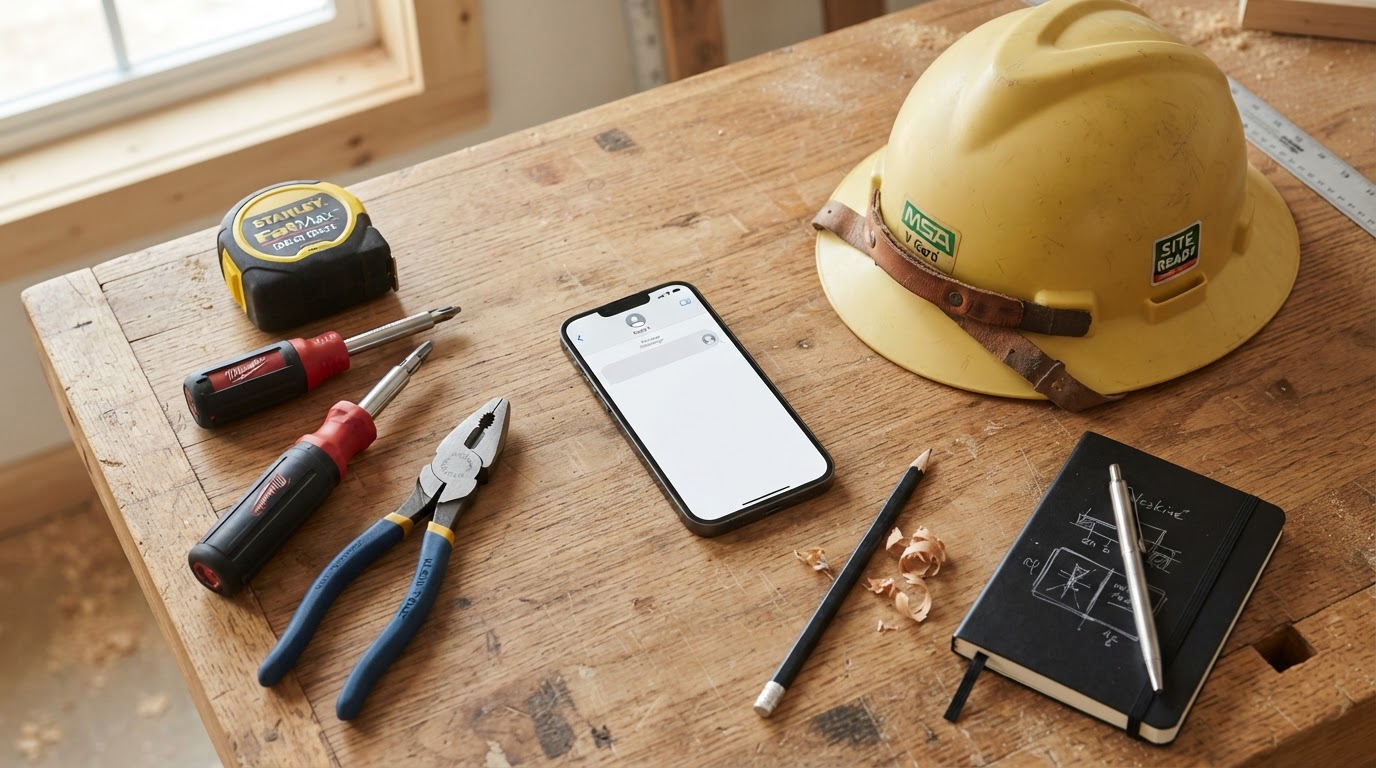
When a homeowner has a problem, they usually call more than one contractor. Maybe they found three names on Google, or a neighbor gave them two numbers, or they filled out a form on a lead site that went to four different companies. The question is not just whether you answer. It is how fast you answer, and what you say first.
In home services, speed is the thing that wins jobs. Not the fanciest website, not the lowest price, not the biggest truck. The contractor who picks up the phone or replies to the text first has a real edge, because the homeowner is sitting there with their phone out, waiting for someone to call them back. If you are that contractor, you get the job. If you are the one who calls back four hours later, the job is already taken.
Why the first contractor to respond usually wins
Think about what a homeowner does when they have a leaking pipe or a dead furnace. They are anxious. They want this fixed now. They call the first name on the list, and if nobody answers, they call the second. They are not going to sit around waiting for a callback from the first person. They have a problem, and they want the first contractor who sounds like they can handle it.
The first contractor who picks up the phone or sends a quick text saying, I got your message, I can be there tomorrow, has a huge advantage. The homeowner stops calling other people because they found someone who is responsive. They feel taken care of. That is the contractor who gets the job, even if their price is not the lowest.
If you want to win more jobs, the fastest thing you can change is your response time. You do not need a new truck or a better website to start winning the speed race. You just need to answer faster, or at least reply faster when you cannot answer. Even a basic automated lead follow-up system puts you ahead of contractors who still rely on voicemail.
What "fast" really means for a home service lead
Fast does not mean calling back the next day. Fast does not mean checking your voicemail at the end of the day and returning calls in the evening. Fast means minutes, not hours. When a homeowner fills out a quote form on your website at 2pm, they are sitting there with their phone, hoping someone gets back to them.
If you reply within five minutes, you are the contractor who cares. If you reply in two hours, you are just another contractor who got back to them eventually. The difference between five minutes and two hours is the difference between booked and lost. Most of the time, you cannot answer the phone while you are working. You are on a roof, under a sink, or in an attic. That is the reality of the job.
But you can reply by text within minutes if the right system is in place. A missed call text back, an instant reply to a quote form, a website chat that turns into a text on your phone, all of these let you respond fast without stopping what you are doing. The homeowner gets a reply in seconds, and you get the lead instead of losing it to the contractor who called them back first.
What to say in your first reply
Your first reply does not need to be a sales pitch. It needs to be a quick, friendly response that says, I am here, I got your message, and I can help. If they called and you missed it, a text back saying, Hey, sorry I missed your call. This is Mike with Summit Plumbing. What can I help you with? is enough.
If they filled out a form on your site, a text saying, Thanks for reaching out. I can take a look at that this week. What is the best time to come by? is enough. The point is to start a conversation, not to close the deal on the first message. The homeowner just wants to know that someone is on the other end.
They want to feel like they reached a real business, not a voicemail box. A short, friendly text does that. It also gives them an easy way to reply without having to call you back and hope you pick up this time. Keep it short, keep it personal, and keep it sounding like you, not a robot.
How to respond when you're on the job
This is the hard part. You cannot answer the phone when you are up to your elbows in a repair. You cannot stop and call back every lead while you are in the middle of a job. But you can reply by text without putting down your tools.
If you have a system that sends an automatic text the moment a call goes unanswered, the homeowner already has a reply in seconds. They know you got their call. They know you are a real business. And the conversation is waiting for you when you are ready. When you climb down from the roof or finish the repair, you check your phone, read what they need, and reply. It takes two minutes.
You do not have to stop the job, pull over, or interrupt what you are doing. The system handles the first reply for you, and you handle the rest when you have a minute between jobs. This is how you respond in seconds even when your hands are full. It is not about being available all the time. It is about having the right system in place so the lead never goes cold while you are working. If you want to see this in action for a specific trade, check out our plumbing marketing page.
Following up when they don't answer
Sometimes you call a lead back and they do not pick up. That does not mean they are not interested. It means they are busy, or at work, or dealing with the same chaos you are. One call is not enough. A single voicemail is not enough. You need to follow up, and you need to do it without being annoying.
A good rule is to call once, text once, and then wait. If they do not respond after two attempts, give them a day and try again. Do not call five times in an hour. Do not send a wall of text. Just a quick, friendly message that says, Hey, I tried to reach you about your repair. Let me know if you still need help, and I will work around your schedule. Most contractors give up after one call. If you follow up twice, you are already ahead of most of them.
And if you have a system that sends the follow up for you, you do not even have to remember to do it. For more on why speed matters so much, read our post on how missed calls cost you jobs.
The bottom line is simple. Speed wins jobs, and the contractor who replies first gets the work. You do not need to be glued to your phone all day to be fast. You need a system that catches every lead, replies in seconds, and hands you the conversation when you are ready to take it. That is what the Job Machine does. It catches the calls you miss, replies to the forms you cannot check, and keeps every lead warm until you can pick it up. If you want to see how it works for your business, we will show you the whole thing on a quick call.
See it running on a real account
15 minutes. We show you the system live and tell you straight if it's a fit.
Book a 15-Minute CallFrequently asked questions
How fast is fast enough?
Aim for minutes, not hours. If you can reply within five minutes of a new lead, you are ahead of most contractors. An automatic text back can do it in seconds.
What if I am on a job and cannot call back?
Send a text. You do not have to stop working to reply. A quick text lets the homeowner know you got their message and keeps the lead warm until you can talk.
How many times should I follow up?
Call once, text once, and wait a day. If they do not respond, try once more. Do not call five times. One or two follow ups is enough for most leads.

Ryan Archibald
Avera Systems
Ryan helps contractors and home service businesses get more calls and booked jobs with websites, reviews, and follow-up built for the trades. He writes about what actually works when you are on the job all day and only have a few minutes to run your marketing.